There is something different about drinking coffee outdoors. At home, espresso is usually part of a familiar routine involving a kitchen counter, a coffee grinder, clean water, electricity, and everything else needed to make a comfortable cup. Outside, even a simple coffee can feel like part of the experience.
That is one reason I find portable espresso equipment interesting. The appeal is not simply being able to make espresso away from home. It is having the option to bring a familiar coffee routine into places where a kitchen does not exist. A campsite, fishing spot, beach, roadside stop, or van can become a temporary coffee station, provided you have thought through the practical details.
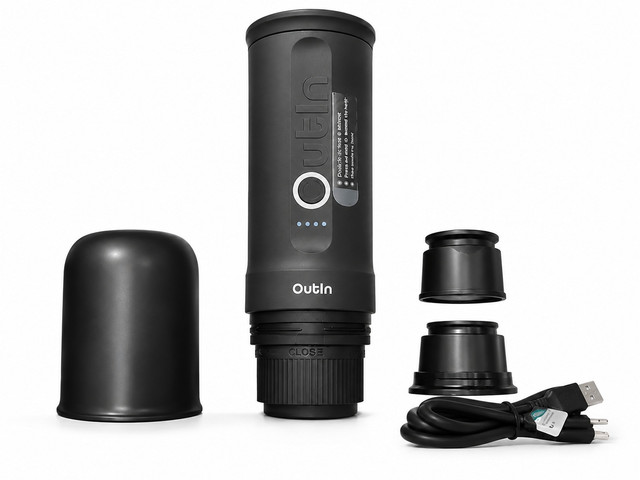
The outin nano fits naturally into this idea because it is designed around portability rather than permanent installation. But taking espresso outdoors also introduces challenges that do not exist in a kitchen. Water, charging, weather, cleaning, coffee storage, and preparation space all become part of the equation.
After looking at the idea from a practical outdoor perspective, I think portable espresso can be genuinely useful. It just works best when you plan around the environment rather than assuming the machine will eliminate every inconvenience.
Why Make Espresso Outdoors?
At first, making espresso outdoors might sound unnecessary. If you are camping, why not simply make instant coffee or use a basic pour over setup?
For many situations, the simpler method is perfectly reasonable.
But coffee is also about preference. If you already enjoy espresso and know that a familiar cup improves your morning, being outdoors does not necessarily mean you want to give that up. A portable setup can make sense when you want something more substantial than instant coffee but do not want to carry a full home espresso station.
I also like the idea of matching coffee with the activity. A morning at a campsite, a quiet break during a road trip, or a fishing session can all benefit from a proper coffee break. The coffee becomes part of the outdoor experience rather than something you have to find after returning to civilisation.
That does not mean I would take a portable espresso machine everywhere. The environment matters enormously.
Camping: When Portable Espresso Makes Sense
Camping is probably the first outdoor use case most people imagine.
Picture waking up at a campsite, preparing breakfast, and making espresso while everything around you is still quiet. If you already have suitable drinking water and a practical place to prepare the coffee, a compact espresso machine can fit naturally into that routine.
The advantage is that you do not need to recreate a complete kitchen. You can keep the coffee equipment relatively contained and prepare your drink using the supplies you have already brought.
However, camping also highlights one of the biggest limitations of portable coffee: water.
At home, water is effectively unlimited. At a campsite, every litre may have been carried in or collected from a specific source. I would always make sure I have enough suitable drinking water for both drinking and coffee preparation before deciding to take espresso equipment.
Cleaning also needs consideration. Used coffee grounds, capsules, and wastewater should not simply be discarded wherever you happen to be. A responsible outdoor coffee routine includes packing out waste and following the site’s rules for wastewater and rubbish.
Road Trips and Scenic Stops
Road trips may actually be one of the easiest situations in which to justify portable espresso.
When travelling by car, carrying a small coffee setup is less restrictive than carrying equipment on a backpacking trip. You have more room for coffee, water, cups, and accessories, and you can choose when to stop and prepare your drink.
I can see the greatest value during long drives where cafés or service stations are inconvenient. Instead of making every coffee stop dependent on what is available along the route, you have the option of preparing your own.
The important thing is to use the equipment only when properly parked and taking a genuine break. Coffee preparation should never become a distraction while driving.
Road trips also make water management easier because you can carry a dedicated supply. That removes one of the biggest uncertainties associated with outdoor coffee.
Fishing Trips and Slow Mornings
Fishing is another interesting use case because the activity often involves spending several hours in one location.
If I were sitting beside a lake or river early in the morning, having coffee available could be more convenient than packing up and leaving to find a café. A compact machine could sit alongside the rest of the equipment, provided there is a safe and stable place to prepare it.
This is also where outdoor coffee becomes less about speed and more about comfort. Fishing trips are often deliberately slow. A coffee break fits that rhythm.
But the environment can be messy. Water, mud, wind, and uneven surfaces are not ideal conditions for coffee equipment. I would want to keep the machine protected when it is not being used and make sure there is a stable preparation area.
A small folding table or other clean, level surface can make a surprisingly big difference.
Beach Days
A beach is a more complicated environment.
The idea of fresh espresso beside the ocean sounds great, but sand and electronics are not an ideal combination. Wind can also make handling coffee grounds, cups, and accessories more difficult.
If I were taking a portable espresso machine to the beach, I would keep the setup simple and protected. I would avoid placing the machine directly on sand and keep coffee supplies inside sealed containers or bags.
Fresh water is another consideration. I would bring enough suitable drinking water rather than depending on an uncertain source.
The beach is a good example of an activity where portable espresso can be enjoyable but is not necessarily the most practical option. If I were travelling light and spending only a couple of hours there, a simpler coffee method might win.
If I were spending the entire day with a vehicle, cooler, food, and other equipment already packed, adding a compact coffee maker would be easier to justify.
Van Travel and Mobile Living
Van travel is probably one of the most natural environments for portable coffee equipment.
A van can provide some of the comforts of a kitchen without offering the space of a conventional home. Counter space, storage, water, and power are all limited resources, so compact equipment becomes more valuable.
The outin nano can fit into this kind of lifestyle because it does not require a permanent countertop installation. It can be stored when not in use and brought out when it is time for coffee.
However, anyone travelling in a van needs to think about resources carefully. Water is limited, batteries need charging, and storage space is valuable. Coffee equipment should earn its place alongside food, cooking supplies, clothing, tools, and everything else needed for mobile living.
For someone who drinks espresso regularly, that may be an easy decision. For someone who drinks one cup occasionally, a simpler brewing method could save space.
Outdoor Work and Job Sites
Portable coffee can also be useful for people who spend working hours outside.
Think about contractors, photographers, field workers, event crews, researchers, or anyone who spends long periods away from a conventional kitchen. A coffee break can be a useful part of a long workday, particularly when the nearest café is far away.
The key difference from recreational outdoor use is that the equipment has to fit around the job. If there is only a short break available, a complicated coffee setup may be more trouble than it is worth.
A compact machine becomes more useful when there is a designated break area, a stable surface, suitable drinking water, and enough time to prepare and clean the equipment.
In other words, the machine should support the workday rather than become another task during it.
Weather Changes Everything
Weather is easy to overlook when imagining outdoor coffee.
A calm, dry morning is very different from a windy afternoon. Rain, dust, extreme temperatures, and direct sunlight can all affect how comfortable it is to handle coffee equipment outdoors.
I would avoid leaving the machine exposed unnecessarily and would keep coffee supplies protected from moisture. A small waterproof bag or container can be useful for keeping coffee and accessories together.
Wind deserves particular attention. Coffee grounds and lightweight accessories can become difficult to manage surprisingly quickly when conditions change.
The lesson is simple: portable does not mean weatherproof. Outdoor coffee requires the same common sense as carrying any small piece of equipment outside.
Battery Charging Away From Home
Battery powered operation can make portable coffee much easier, but it also creates a planning requirement.
Before heading out, I would make sure the machine is adequately charged. If I were travelling for several days, I would think about how charging would work during the trip.
A road trip may offer plenty of charging opportunities. Van travel may provide access to additional power depending on the setup. A remote camping trip could be very different.
This is why I would not treat battery life as an isolated feature. The useful question is whether your overall trip provides a practical way to keep the equipment ready.
It is similar to carrying a camera or phone. A battery powered device is convenient until you realise it was not charged.
Choosing and Storing Coffee Outdoors
Coffee itself needs protection when travelling outdoors.
Ground coffee can absorb moisture and odours, while beans need suitable storage to maintain freshness. I would keep whichever coffee I am carrying in a sealed container and bring only as much as I realistically expect to use.
There is also a question of preparation. If you are using coffee grounds, you need a practical way to measure and handle them without creating unnecessary mess. If you use compatible capsules, preparation may be simpler, but you still need to carry the used capsules away with you.
The best outdoor coffee setup is usually the one with the fewest loose components.
Every extra accessory is another item that can get lost, dirty, wet, or forgotten.
Cleaning in the Outdoors
Cleaning is probably the least glamorous part of outdoor espresso, but it deserves serious attention.
At home, you can rinse equipment immediately under a tap. Outdoors, water may be limited, and there may not be an appropriate place to dispose of wastewater.
I would plan the cleanup before making the coffee. If necessary, carry a small amount of additional suitable water specifically for cleaning and use a container for wastewater rather than pouring it wherever you happen to be.
Coffee grounds should also be handled responsibly. Outdoor environments are not rubbish bins, and even organic waste should be disposed of according to local rules and the principles of leaving no trace.
Once the coffee is finished and the equipment is clean, the whole process becomes much easier to manage.
When Simpler Coffee Wins
There are plenty of situations where I would leave a portable espresso machine at home.
If I were backpacking and trying to reduce every gram of equipment, instant coffee or a lightweight brewing method would probably make more sense.
If water were extremely limited, I would prioritise drinking water over espresso preparation.
If I were spending only a short time outdoors, the additional preparation and cleanup might not justify the convenience.
And if the weather were particularly bad, I would not force myself to make espresso simply because I brought the equipment.
Portability is valuable because it gives you an option. It does not mean you have to use that option every time.
Where OutIn Coffee Fits Into an Outdoor Lifestyle
The broader idea behind outin coffee appeals to people who do not want their coffee preferences to disappear whenever they leave home.
For someone who regularly camps, travels by van, takes road trips, or spends long days outdoors, a compact coffee maker can become part of the normal gear rather than a novelty item.
The important thing is to think about the entire setup. The machine is only one part of the system. You need coffee, water, somewhere stable to prepare it, a cup, charging access when necessary, and a plan for cleaning and waste.
That is why I would evaluate the outin nano based on the type of outdoor activities you actually do rather than simply asking whether it is portable.
Final Thoughts
Outdoor espresso sounds like a luxury, but for the right person it can be a genuinely useful part of a travel and lifestyle routine.
Camping mornings, long road trips, fishing sessions, van travel, outdoor work, and extended beach days can all provide situations where having your own coffee makes sense. The common factor is that you have enough access to water, space, time, and basic resources to make the process practical.
For anyone considering a Portable Espresso Machine, I would start by planning the environment rather than the coffee. Where will you get clean water? Where will you charge it? Where will you prepare the drink? How will you clean the equipment? Where will you put the coffee waste?
If those questions have straightforward answers, portable espresso can be an enjoyable addition to an outdoor routine.
If they do not, a simpler brewing method may be the smarter choice.
That is what I like most about the concept. The goal is not to turn every outdoor activity into a complicated coffee ceremony. It is to give you the freedom to make espresso when the surroundings, schedule, and available resources make it worthwhile.
Sometimes that might mean sitting beside a lake with a fresh coffee while the morning is still quiet. Other times, it might mean accepting that instant coffee is perfectly good enough.
Good outdoor equipment should make an experience easier, not make it more complicated. A compact espresso maker can do exactly that when it matches the way you actually travel, work, and spend time outside.
